

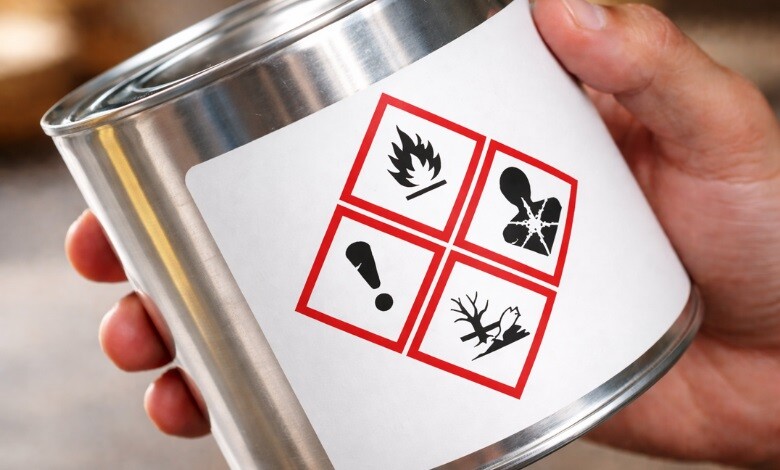
If you’re regularly handling hazardous chemicals, you’ve probably heard about GHS labeling requirements. The Globally Harmonized System of Classification and Labeling of Chemicals (GHS) is not just a regulatory buzzword but a crucial set of guidelines designed to keep workers safe by clearly communicating the hazards of chemicals. It’s a system designed to protect, educate, and ultimately prevent accidents. If you’re wondering,, What are the GHS labeling requirements? you’re not alone. In this article, we’ll break it down in easy-to-understand terms, explaining everything from OSHA’s standards to how you can stay compliant in your workplace. And while you’re reading, make sure to check out TCS Digital Solutions’ GHS Label Printer for your business needs.
-
 Afinia LT5C CMYK + White Label Printer SKU: 36138$12,850.00
FREE SHIPPING over $199*
Orders before 12PM EST usually Ship Same Business Day -
 Epson ColorWorks CW-C6500A Gloss Color Inkjet Label Printer with Auto Cutter SKU: C31CH77A9991$3,965.00
FREE SHIPPING over $199*
Orders before 12PM EST usually Ship Same Business Day -
 Epson ColorWorks CW-C6000P Gloss Color Inkjet Label Printer with Auto Peel and Present SKU: C31CH76A9971$3,898.00
FREE SHIPPING over $199*
Orders before 12PM EST usually Ship Same Business Day
OSHA’s Hazard Communication Standard
The Occupational Safety and Health Administration (OSHA) is the key governing body in the U.S. responsible for overseeing the safety of workers in all environments. Their mission? To protect workers from harm, when it comes to handling hazardous chemicals, they’ve set some clear guidelines. The Hazard Communication Standard (HCS), adopted by OSHA, requires that all chemical containers in the workplace be labeled according to GHS standards. This is to ensure that anyone handling these chemicals knows what risks they’re dealing with, keeping everyone safe.
Think of OSHA as the traffic cop in a chemical warehouse, guiding everyone on how to communicate and stay safe. If you’re in charge of maintaining safety standards in a warehouse or factory, understanding GHS labeling will save you from accidents and hefty fines. OSHA’s role in the GHS system is crucial for maintaining safety standards and fostering a safer workplace for everyone involved. Employers who fail to adhere to these rules could face significant penalties, not to mention potential workplace injuries.
GHS Label Requirements
What exactly should be included on a GHS label? Simply put, these labels must clearly indicate the chemical hazards and provide guidance on safe handling practices. Let’s break it down into specific components.
1. Product Identifier
This is essentially the name or ID of the chemical. It’s like the name tag of the chemical, ensuring that everyone knows exactly what they’re dealing with. The product identifier should match the name listed on the Safety Data Sheet (SDS), ensuring consistency across the board. This identifier could be the chemical’s common name or a code used by the manufacturer. Along with this, batch numbers are often included to trace specific product lots.
For example, let’s say you’re dealing with a chemical like sulfuric acid. The product identifier on the label should read “Sulfuric Acid” as it appears on the Safety Data Sheet (SDS), ensuring consistency. Additionally, the batch number helps identify specific containers of that chemical, ensuring that the exact composition and hazard warnings are tracked.
2. GHS Symbols (Hazard Pictograms)
These are the recognizable symbols that immediately tell you what type of hazard a chemical poses. They’re like the red flags on a map, guiding you through a maze of potentially dangerous chemicals. There are nine GHS symbols in total, each representing a specific hazard:
- Explosive
- Flammable
- Oxidizing
- Corrosive
- Acute toxicity
- Health hazard
- Serious health hazard
- Hazardous to the environment
- Gas under pressure
Each symbol is designed to be easily identifiable, so even someone who’s not well-versed in the chemical’s details can quickly recognize the danger. It’s a universal language that helps workers worldwide stay on the same page. Imagine a warehouse where you have workers from different countries. These symbols act as a universal visual guide, ensuring there’s no language barrier when it comes to understanding chemical hazards.
It’s important to note that GHS pictograms are standardized and are not interchangeable with other hazard communication systems like NFPA or HMIS. Each system has its own set of symbols and classifications, so using the wrong one could lead to confusion and possibly hazardous situations.
3. Signal Word
A signal word is used to quickly convey the seriousness of the potential hazard, alerting workers to the chemical’s level of danger. There are two signal words you’ll see on GHS labels:
- Danger: Used for more severe hazards.
- Warning: Used for less severe hazards.
For example, if a chemical is extremely flammable, it gets the “Danger” signal word. If it’s mildly toxic, it might get a “Warning.” The signal word is critical for giving workers a quick indication of how dangerous the substance is. It serves as an initial alert that helps everyone take the proper precautions before handling the material.
4. Hazard Statements
Hazard statements describe the nature of the hazard in a concise manner. These statements explain the risks posed by the chemical, helping workers understand exactly what they’re up against. Hazard statements can include the physical dangers, like being flammable or corrosive, as well as health hazards, like causing cancer or respiratory issues.
Step 1
First, identify the class of hazard the chemical belongs to. For example, if it’s a flammable liquid, it falls under the “flammable liquids” category.
Step 2
Determine which category the chemical falls under within that class. For example, a chemical with a flashpoint of less than 60°C is more hazardous and should be categorized under a higher severity level.
Step 3
Finally, select the appropriate hazard statement from the GHS database. For instance, a highly flammable liquid may have a statement like “Highly flammable liquid and vapor.”
In essence, the chosen hazard statement is directly linked to the assigned classification of the chemical. One can find these classifications and associated hazard statements in the chemical’s Safety Data Sheet (SDS), which is provided by the chemical’s manufacturer or supplier.
5. Precautionary Statements
Precautionary statements provide vital guidelines on how to properly store and manage chemicals safely, reducing the chance of accidents. For example, a chemical with flammable properties may include a precautionary statement that says, “Keep away from heat, sparks, and open flames.” These statements provide actionable advice on how to minimize the risk associated with the chemical.
Precautionary statements are invaluable because they provide the dos and don’ts for handling a hazardous substance. Adhering to these precautionary measures can be the deciding factor between maintaining a safe workspace and facing significant risks.
6. Manufacturer Information
The label must also contain details about the chemical’s manufacturer. This includes the company’s name, address, and emergency contact number. This is crucial in case there’s an accident, and someone needs to get in touch with the manufacturer for more information or instructions.
Think of the manufacturer’s information as your lifeline in an emergency. If a chemical spill happens and you need expert advice, being able to contact the producer or distributor promptly can help mitigate damage and ensure everyone’s safety.
Additional Elements
Besides the core six elements, GHS labels may also include a few extra details that enhance the communication of hazards.
- Supplemental Information: This can provide further details about the chemical’s properties, its specific hazards, or additional safety instructions.
- Harmonized System (HS) Codes: These are used for international shipping and help classify chemicals for trade purposes.
- QR Codes: Some labels include a QR code that leads to the SDS or other critical information. QR codes on labels can be scanned with a smartphone for immediate access to additional safety and product information.
While these elements are not mandatory, they can add value in communicating the chemical’s hazards in a more comprehensive manner. Using QR codes, for example, makes it easier for workers to access the full SDS on the go.
GHS Label Materials
The durability of GHS labels is as important as the information they contain. After all, if the label starts fading or peeling off, it’s like losing your map in the middle of a maze. Labels need to withstand harsh conditions, especially if chemicals are being shipped internationally or stored in tough environments.
Materials for GHS labels should be BS5609 certified. This certification ensures that the label can endure:
- Harsh weather conditions
- Exposure to UV sunlight
- Contact with water (for marine environments)
If you’re printing your own labels, it’s important to use materials and ink that meet BS5609 standards. That’s where TCS Digital Solutions comes in. We provide GHS label printers that ensure your labels are printed to the highest quality, with ink and materials that stand up to the test.
-
 Epson ColorWorks C8000 Gloss Inkjet Color Label Printer SKU: C31CL02A9991$9,630.00
FREE SHIPPING over $199*
Orders before 12PM EST usually Ship Same Business Day - Epson C4000 / CW-C4000 ColorWorks Inkjet Label Printer (Gloss) SKU: C31CK03A9991$2,492.00
FREE SHIPPING over $199*
Orders before 12PM EST usually Ship Same Business Day -
 Epson ColorWorks CW-C6500P Gloss Color Inkjet Label Printer with Peel and Present SKU: C31CH77A9971$3,805.00
FREE SHIPPING over $199*
Orders before 12PM EST usually Ship Same Business Day
Maintain Compliance in Your Warehouse
If you’re managing a warehouse or chemical storage facility, keeping things compliant with GHS standards should be a top priority. Regular audits and proper employee training are key to maintaining safety. Employees should be well-versed in reading and interpreting GHS labels, as this can make the difference between a safe workspace and a hazardous one.
Ensure that every chemical container, regardless of size, is properly labeled according to GHS guidelines for clarity and safety. This includes small containers used for samples or test runs, which still need GHS-compliant labels. Regular updates to labels are also necessary, as chemical formulations or hazard classifications may change over time.
By maintaining up-to-date GHS labels, you’re not only keeping your workplace safe but also ensuring that your business stays compliant with OSHA regulations and avoids costly penalties.
Final Takeaway
Finally, understanding GHS labeling requirements is crucial for any business that handles hazardous chemicals. By following OSHA’s Hazard Communication Standard and ensuring your labels contain all the necessary elements, you’re helping create a safer workplace. Ensuring compliance is crucial, but streamlining the labeling process for efficiency is just as vital. If you’re searching for high-quality GHS label printers, TCS Digital Solutions is your go-to source. Our printers are designed to streamline your labeling process and ensure that your labels stay compliant and durable.
Have questions related to GHS Label Printers? Contact our support teamvia email at orders@tcsdigitalsolutions.com or make a call at +1 (762) 208-6985 to get clarification for all your questions. TCS Digital Solutions Expert Support Team will be happy to assist you. To learn more about GHS Label Printers, visit our blog section and get answers to all your questions.

